Damaged Car Auctions in Europe: Buyer Risks Explained
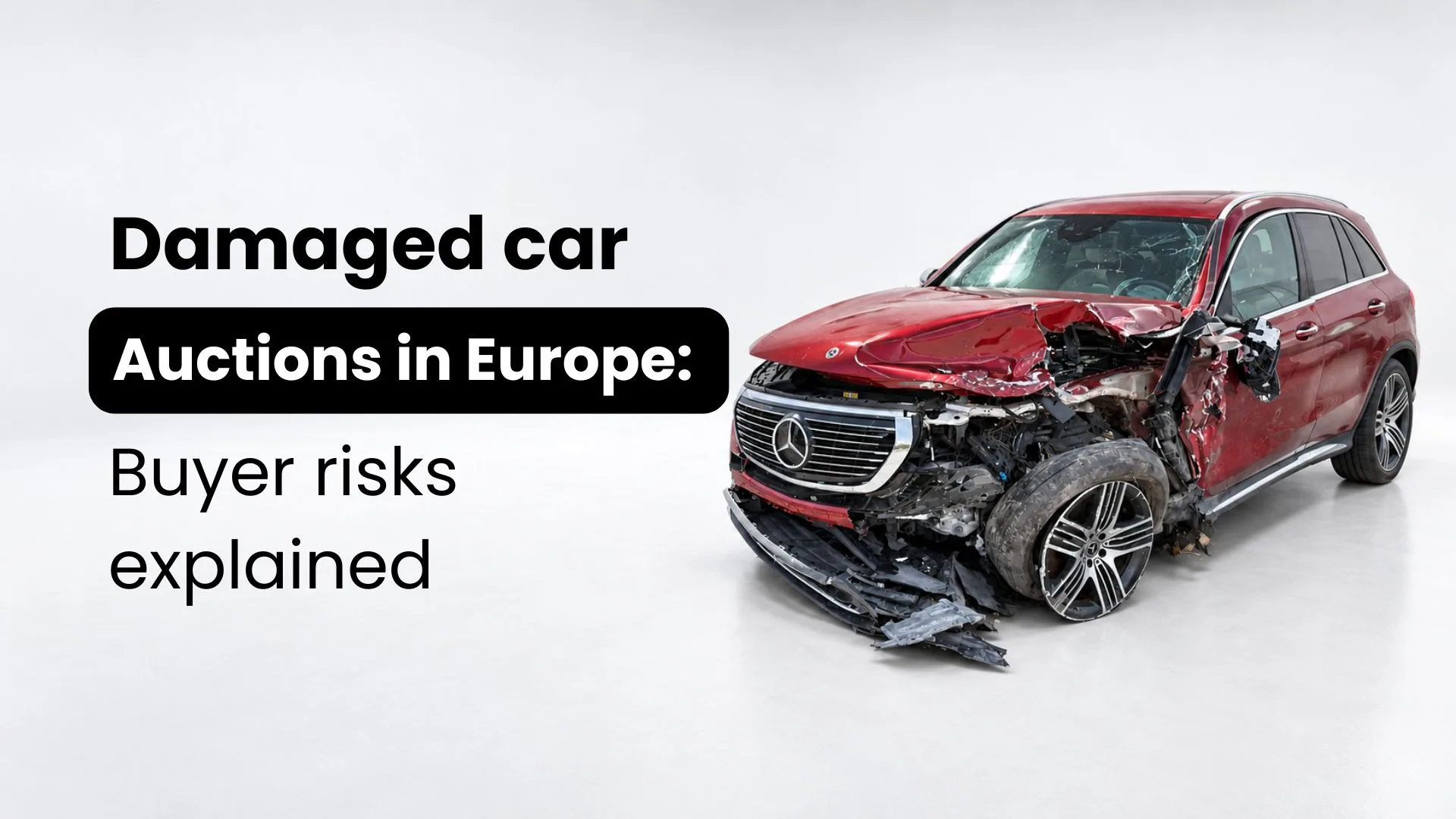
A damaged car auction can be a good place to find a repair project, a source of spare parts or a car that costs less than a comparable roadworthy one. However, a low bid does not automatically mean a good deal.
The most important question is not how cheaply you can win the car, but whether you understand its condition and the risks involved.
EU Car Auctions brings listings from different European auction platforms together in one place. We do not run the auctions or sell the cars. Always open the original listing and check all available information before bidding.
Not Every Car Is Inspected in the Same Way
The amount of information provided depends on the auction platform and the individual listing. Some cars receive a detailed condition check and test drive, while others are presented using photos and information supplied by the seller.
Unless the listing clearly states that a component has been tested, do not assume that the engine, gearbox, electronics or safety systems have been checked. Even a detailed condition report cannot guarantee that every hidden fault has been identified. See how each European auction site handles viewing, bidding and collection in our step-by-step guide.
Photos May Not Show the Full Damage
Visible damage may be only part of the problem. A damaged bumper can hide broken mounting points, cooling components or structural damage. A wheel sitting at an unusual angle may indicate problems with the suspension or steering.
Missing photos should also be treated as an unknown risk. If the underside, engine bay or damaged area is not shown clearly, its condition cannot be confirmed.
Where possible, arrange an inspection or ask a workshop to review the listing before bidding.
Starting Does Not Mean Roadworthy
A car may start and move while still having damaged brakes, suspension, cooling components or safety systems.
Information about starting or driving only describes what the car was able to do when it was checked. It does not confirm that the car is safe, roadworthy or suitable for driving home from the collection location.
Documents Can Determine Whether the Car Is Usable
Before bidding, confirm which registration, ownership and export documents are included. Check that the VIN in the listing matches the available documents and information visible in the photos.
An unclear registration status or missing documents can make the car difficult or impossible to register. Never assume that every damaged car sold at an auction can legally be returned to the road. Our bidding checklist lists the documents and keys to confirm before you place a bid.
Your Bid May Be Binding
Auction bids are generally binding, particularly for business buyers. The exact rules and possible consumer rights depend on the auction platform, seller and type of sale.
Do not place a bid on the assumption that you can cancel the purchase later. Read the bidding terms and decide on your maximum price before the auction begins.
Collection Can Create Additional Problems
Damaged cars often have short payment and collection deadlines. Late collection may result in storage charges or other penalties.
Before bidding, check:
- where the car must be collected;
- whether it rolls, steers and brakes;
- whether the keys are included;
- who is responsible for loading;
- whether special loading equipment is required;
- when payment and collection must be completed.
A car that cannot move normally may require a winch, forklift or specialised recovery vehicle.
A Low Bid Can Still Be a Bad Deal
The winning bid is only one part of the purchase. Auction fees, transport, registration and repairs can quickly reduce or remove the apparent saving.
Compare the expected final cost with the price of a similar roadworthy car. Leave enough room in your budget for faults that become visible only after dismantling or diagnostics. Use the total cost and maximum bid formulas from our bidding checklist before you decide.
When Can a Damaged Car Be a Good Buy?
A damaged car may be a good purchase when:
- the visible damage is understandable;
- the documents and registration status are clear;
- replacement parts are available;
- you have technical knowledge or reliable workshop support;
- the possible saving is large enough to justify the risk.
Buyers who understand repairs and have access to affordable parts are usually in the strongest position. If an important risk cannot be evaluated before the auction, the safer choice is not to bid.
Photos and condition descriptions do not guarantee that every fault has been identified. Auction terms and the information provided may change, so always verify the details in the original listing.